
Connect with us

Insight

Evaluating psychedelic retreats: how to find the right one for you

Published

on

Evaluating psychedelic retreats: which one is right for you?
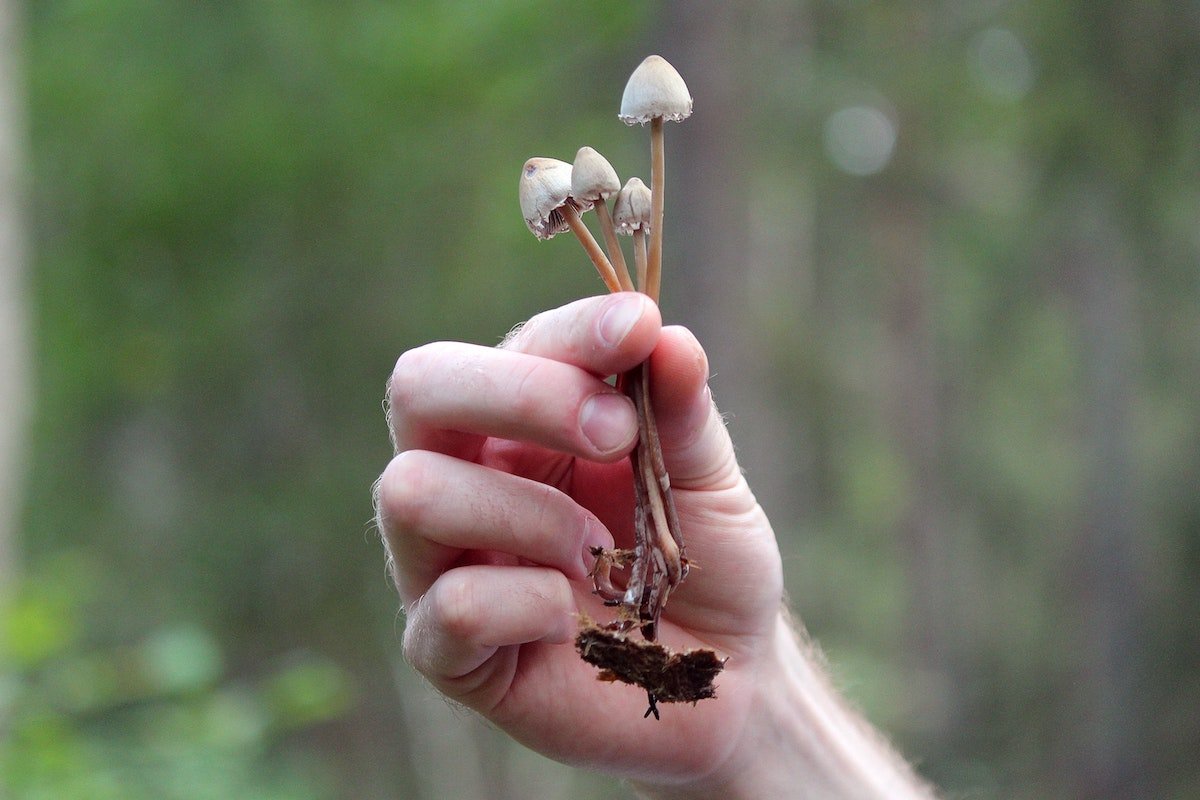
Photo by Ashley Batz on Unsplash

Justin Townsend, CEO of MycoMeditations, explores what to look for when evaluating a psychedelic retreat if you are considering attending – from what models to consider to which medicine to work with.

Why are you considering attending a retreat?

Maybe you have read Michael Pollan’s book “How to Change Your Mind” or have seen the accompanying documentary on Netflix, one of a myriad of increasingly popular shows that are helping to bring psychedelic-assisted therapy mainstream. 

If you are considering attending a retreat, here are some considerations: What are your reasons or intentions for attending such a retreat? Mental health, spiritual, personal or corporate self-development, or wellness?

Shamanic, wellness or therapeutic model?

As psychedelic-assisted therapy continues to grow in popularity, the variety of retreat options available to choose from can seem a little daunting. 

A psychedelic retreat can not only help to potentially relieve mental health symptoms; it can also prove to be one of the most profound experiences of your life, up there alongside the birth of a first child or getting married.

See also  Psychedelics Today: improving access to psychedelic therapy training 

With mushrooms in particular, there are three key potential mediators to the psilocybin experience:

1) Cognitive insights

2) Emotional breakthroughs  

3) The mystical experience

What are you drawn to? For some, a western contemporary therapeutic model is most relatable while for others the shamanic approach is desired. Ensure you understand the differences between the two.

Which Psychedelic medicine and why?

Which medicine will I be working with? Whether psilocybin mushrooms, ayahuasca (N,N-DMT), bufo toad (5-MeO-DMT), peyote (mescaline) or San Pedro cactus, these are but a selection of psychedelic substances potentially available at retreat centres worldwide. 

Some of these substances can confer more or less the same benefits as each other. The vast majority of modern research to date has focused on the benefits and outcomes of Psilocybin Mushrooms and MDMA (a non-classic psychedelic). 

Both Psilocybin and MDMA have been granted “Breakthrough Status” by the FDA. 

In particular, psilocybin mushrooms have what is known as “transdiagnostic advocacy” – this translates to potential efficacy for a range of mental health conditions including but not limited to depression, anxiety, post-traumatic stress disorder (PTSD), addiction, obsessive compulsive disorder (OCD), migraine/cluster headaches and fibromyalgia, to name but a few.

Legality

Despite increasing popularity, these medicines are currently legal in only a few countries worldwide.

Some countries, and states (especially in the USA) have gone so far as to decriminalise psychedelics. Retreat centres do operate in a grey zone of decriminalisation in some countries, but this is not without risk. 

Do your research

Guest application process and screening

Psychedelics are powerful substances and are not for everyone. 

In particular, if you have a personal or familial mental history of bipolar disorder, schizophrenia or psychosis then be extremely careful, as psychedelics are known aggravate these conditions, potentially triggering hypomania, mania or psychosis. 

Unfortunately, anyone applying with these conditions must be denied – a lot more research has to be undertaken yet. 

Any psychedelic retreat centre should have a lengthy and detailed application form and screening process ideally including a telephone or video interview screening with a mental health professional.

Retreat cohort size

How many other guests will be a part of your retreat cohort? Some retreat centres can host up to 50 or 60 participants in one medicine session – this is not for everyone. 

For psilocybin a cohort size of up to 10 to 12 guests seems to be the norm – once you go above this number of participants, the experience and outcomes can be less than ideal.

Ratio of therapeutic staff to guests

A psychedelic retreat is very much a high-touch, oftentimes intense experience. 

Ensuring that there are enough facilitators to adequately attend to each guest’s needs in a timely fashion is essential.

Retreat centres can have staff-to-guest ratios of 1:1.5 to 1:5 and sometimes even higher. For a retreat centre focused on guest safety and optimal outcomes, select one with the highest ratio of facilitators to guests.

Qualifications and experience of staff
(Education alone vs Extensive Practical Training and Education)

Competent individuals from all professional backgrounds and walks of life can make excellent psychedelic facilitators. This can include mental health professionals such as fully licensed therapists, psychologists, psychiatrists, and MDs to yoga instructors to nurses and everything in between. 

Do your research and ask these questions.

There is a huge difference in experience between a psychedelic facilitator that has attended a predominantly online/digital educational programme versus one that has attended a practical training programme and earned their spurs in the trenches. 

How many retreats have they worked and with how many guests? What are their licenses, qualifications and most importantly their actual experience (measured in hundreds if not thousands of hours)?

Does the retreat centre have an on-call psychiatrist and medical doctor and medications available quickly in the event of an unexpected mental health or medical crisis?

Therapeutic modalities

Which therapeutic modalities are available across the facilitation team? An eclectic selection of approaches is necessary including IFS (Internal Family Systems/Parts work) to Somatic Experiencing to Acceptance & Commitment and others. 

Team members that are experienced in trauma-informed modalities and therapy for childhood sexual abuse are also key to the complete skill set of a facilitation team.

Testimonials

Check out platforms such as Trip Advisor or Google Reviews for guest testimonials.

Preparation

Adequate preparation for a psychedelic journey including psychoeducation is foundational for a productive and safe medicine session. What does your pre-medicine retreat preparation look like?

Note also that anti-depressant medication (SSRIs) are well known to substantially dampen the impact of psilocybin and tapering off these medications under the guidance of a licensed medical professional is necessary.  

How many doses

This will largely be dependent upon which psychedelic you are working with and whether you are attending for wellness or mental health reasons. 

Dosing amounts and number of doses will be essential to optimising outcomes. The retreat leader and therapy team will be able to advise on the correct dose for you.

Integration therapy

Integration therapy, whether individual or group, is core to optimising the best long-term psychological outcomes for retreat participants. 

Whilst sitting in a group and sharing experiences is not insubstantial, this is not group therapy. Working with a trained and experienced licensed therapist that is leading a group integration is going to substantially improve your experience (and outcomes).

Post-retreat support/Therapy

After you arrive home from your retreat, the work continues. 

Ideally, there will be some ongoing group therapy via Zoom that enables you to reconnect and check in with your original cohort and therapy team and continue to help you progress.

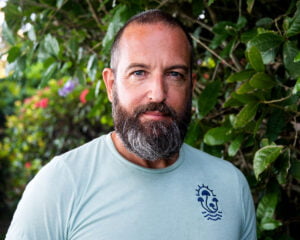
About Justin Townsend

With experience as an advisor to start-ups, most recently in the healthcare space, Justin brings a blend of business acumen, leadership skills and a nose for futuristic health models to the MycoMeditations team. As CEO and also a retreat facilitator, Justin has overseen psilocybin sessions for over 1000 individuals and has administered thousands of high doses (consistently in the range of 5-15g) in group environments of 8-12 people. 

With a deep understanding of psychological frameworks—transpersonal and depth psychology—as well as holotropic breathwork, Justin is able to facilitate cathartic experiences through high doses, group work, and severe cases of trauma, depression, anxiety from individuals. 

As a direct result of Justin’s expertise, MycoMeditations is able to assist those with severe cases and offer a solution that would otherwise not be available to these individuals.

Continue Reading
Click to comment

Leave a Reply

Your email address will not be published. Required fields are marked *

Insight

Designing Safety: Why Trauma-informed Models Must Lead the Psychedelic Renaissance

Published

on

This article was submitted by Lucy da Silva, Psychedelic Support Therapist and CEO Silva Wellness, as part of Psychedelic Health’s op-ed program. To submit article ideas, please email news@psychedelichealth.co.uk


I once was addicted to alcohol and drugs, which I was lucky enough to overcome through the 12-step programme. This journey was steeped in peer support and a real sense of community. Over the past five or so years, I have also had my fair share of psychedelic healing experiences, most of them in group settings.

Entering this sphere, I was fortunate to come from a place of internal containment and grounding, since my healing journey had begun long before my first psychedelic experience in a ceremonial setting. As a qualified and experienced psychotherapist, I was well versed in self-care, the analytical lens of Jungian interpretation and, most importantly, trauma knowledge and containment.

What these seeds of experience began to sow for me was an awareness of how clinical excitement can sometimes overshadow the slower work of building adequate systems that protect, hold and integrate – striking the delicate balance between respect for indigenous traditions and the demands of medicine-inspired healing. As a therapist, my work often focuses on the healing that takes place after harm has occurred. But my own experiences in medicine ceremonies (some profound and safe, others not so much) led me to wonder: what would it mean to design safety from the ground up?

The psychedelic field has made extraordinary progress in just a few years. Regulatory frameworks are evolving, clinical trials are expanding, and public interest is growing faster than any of us could have predicted. There’s a palpable sense of momentum—of medicine, culture and consciousness beginning to reconnect. The renaissance is not on its way—it is here! 

Come meet the leaders shaping the future of psychedelic medicine. Join PSYCH Symposium: London 2025, December 4 at Conway Hall.

Yet much of this progress still takes place within the same paradigms that shaped twentieth-century psychiatry: models focused on efficacy and access, rather than on the deeper architecture of care. We talk about scaling treatments, but rarely about scaling safety—about designing systems that protect psychological integrity as much as they deliver clinical outcomes.

The conversation about psychedelic medicine often stops at the clinic door. But the next frontier of innovation isn’t pharmacological; it’s relational, community-driven and systemic. It’s about how we build environments that recognise trauma not as an exception, but as the context from which most people seek healing. This is especially relevant when utilising psychedelics for the treatment of substance use disorders.

Co-Design Workshops: Trauma-Informed Care and Community Integration in Psychedelic Therapy

When we had the opportunity to apply for a government-backed R&D grant, it offered the chance to formalise what I had personally seen and encountered in group settings—as well as what I had heard through anecdotal conversations with individuals I met along the way, including clients who needed help processing uncontained trauma after group experiences.

With the grant focusing on individuals suffering from substance use disorders, I was motivated to propose a trauma-informed model in a group setting supported by community integration initiatives. I also wanted to address the elephant in the room: expanding access. With ketamine treatment via IV costing around £10,000 in the UK, affordability remains a serious issue. My goal was to explore how we can scale treatment options safely. We need to ensure that the very systems we design to help people heal do not inadvertently replicate harm.

Rather than studying participants, we’ll be studying systems, and asking what those systems need to look like to prevent harm before it happens.

Our study (scheduled to kick off in November 2025), Co-Design Workshops: Trauma-Informed Care and Community Integration in Psychedelic Therapy, aims to explore how safety can be intentionally designed into emerging psychedelic care models before they become mainstream. It will run as follows:

  1. Three stakeholder groups (clinicians, peer facilitators and mental health service designers) will participate in a series of co-design workshops.
  2. Using journey mapping and system mapping, the sessions will explore how trauma-informed principles can guide safe, accessible models for group-based ketamine lozenge therapy (KLT).
  3. The aim is to co-create conceptual frameworks that integrate ethical design, accessibility and community wisdom from the outset.

What we hope to learn is that safety is relational, shaped by culture and trust just as much as by clinical control. Trauma-informed practice, emotional readiness, education, and attention to set and setting before any medicine is ingested should form vital components of integration.

Promoting integration as preparation—as the precursor to treatment, as a modality in itself—mirrors what the 12-step programme does so well. Peer-led community, robust support and follow-up systems could become the scaffolding that extends care beyond the session, supporting longevity in healing.

This also ties into the concept of reducing hierarchy by amplifying lived expertise and modelling the inclusivity that psychedelic care must embody. It can help individuals lean towards treatment rather than resist it—a common challenge in both community-led and private addiction treatment programmes.

As the long-term aim of this project is to align proposed frameworks with voluntary sector and NHS infrastructure, we envisage that it could inform future service delivery and policy development. Most importantly, we hope to begin a wider discussion about how future frameworks can be wrapped in nurturing ethics and, above all, safety.

If we can integrate trauma-informed principles from the outset, the future of psychedelic therapy could look very different. We might see small, community-based groups supported by skilled facilitators who understand containment as much as chemistry. Integration models could become embedded within peer networks, where shared experience is part of the medicine itself.

Services could evolve through co-design rather than correction, shaped by lived wisdom as much as professional expertise. In this vision, innovation means not just expanding access, but building safety, inclusion and care by design.

Because the psychedelic renaissance will only ever be as safe as the systems that hold it and designing those systems is the real frontier.

As this project begins, we have a rare opportunity to slow down—to listen, collaborate and build the ethical foundations before psychedelic care becomes fully mainstream. Trauma-informed design reminds us that safety is not simply the absence of harm, but the presence of trust, transparency and relationship.

If we can weave those qualities into the structures that support psychedelic work, from the clinic to the community, we stand a chance of creating a field that heals without replicating old wounds.

This study is just the first step, but it marks an invitation to the wider field: to design consciously, collectively and with care at the centre.

Because the question is no longer whether psychedelics can heal, it’s whether we can design the systems that allow that healing to endure.

Image by andreas160578 from Pixabay


Continue Reading

Insight

Is Ketamine Therapy Only Reaching The Wealthy? Dr. Celia Morgan On Expanding Equitable Access

Published

on

Dr. Celia Morgan is one of the UK’s leading figures in ketamine and psychedelic research, especially in the domain of addiction and mental health.

Based at the University of Exeter, she holds the Chair of Psychopharmacology and leads trials exploring how ketamine, paired with psychotherapy, can break cycles of relapse in substance misuse.

Morgan has led some of the largest clinical trials on ketamine-assisted therapy for alcohol use disorder and will be speaking at the upcoming PSYCH Symposium: London 2025, to be held at Conway Hall on December 4.

“I think that the most promising findings from our work with ketamine are of the sense of agency and autonomy in their recovery that the people we are working with experience,” she told Psychedelic Health in a written interview.

Still, she thinks several key challenges need to be tackled for these treatments to be able to reach more people. One of the biggest of such challenges is ensuring equitable access to these treatments.

“We see a relatively homogenous and privileged group in most studies, our work has tried to address this,” she said.

Building the infrastructure to safely deliver these treatments in public healthcare systems is another big challenge for the industry, she said.

Yet the healthcare sector can also take advantage of Ketamine’s regulated status to allow for a faster roll-out, when compared to other psychedelics like MDMA or psilocybin.

“Some of the recent recommendations by the Royal College fo Psychiatrists are steps on the way towards more widespread use,” she said.

What distinguishes Morgan in the psychedelics field is her dual commitment. She studies the risks and harms of recreational ketamine use while simultaneously designing controlled, clinical applications for it.

One of her flagship projects is Exeter’s KARE trial (Ketamine for Reduction of Alcohol Relapse), which blends ketamine infusions with psychotherapy for patients with alcohol use disorder. Early published data show dramatic improvements in abstinence rates during six-month follow-ups, far exceeding baseline relapse rates. Morgan has also worked on trials for gambling disorder and other behavioral addictions, expanding the frontier of what ketamine-assisted therapy might treat.

Morgan also plays a role in academia’s response to the psychedelic renaissance, she’s a co-lead on Exeter’s postgraduate certificate in psychedelic studies, a program designed to train clinicians, researchers, and therapists in the science and ethics of psychedelic medicine.

“I think its important to keep on with our efforts to study, regulate and roll out these treatments principally for the patients who might benefit from psychedelics as I have seen first hand in my work,” she said.

Picture is extracted from an interview with Dr. Morgan at PSYCH Symposium’s 2022 edition.

Continue Reading

Evegreen

Did Psychedelics Influence Early Christianity? A New Review Examines the Evidence

Published

on

A newly published academic review has revisited one of the most sensational — and disputed — theories in psychedelic history: that early Christianity emerged from fertility cults using psychoactive mushrooms.

Released 9 August in the journal Religions, Richard S. Ascough’s paper, John Allegro and the Psychedelic Mysteries Hypothesis, takes a fresh look at the 1970 book The Sacred Mushroom and the Cross by Semitic philologist John M. Allegro.

Allegro claimed that Christian theology, symbols and even the figure of Jesus could be traced back to ancient rituals involving the psychoactive mushroom Amanita muscaria. His argument rested on bold linguistic links between Sumerian and Semitic languages — links that experts swiftly dismissed as unsubstantiated.

Discredited but enduring

Ascough’s review details how Allegro’s thesis was rejected almost immediately in academic circles. Mainstream scholars pointed out that Sumerian is a language isolate, making the connections Allegro proposed linguistically impossible. The fallout was severe — the book damaged Allegro’s reputation and ended his academic career.

Yet, as Ascough points out, the theory refused to disappear. In the decades since, it has surfaced repeatedly in psychedelic counterculture, cited by authors such as Carl Ruck and Terence McKenna. While scholars abandoned the thesis, parts of the public embraced it as part of a broader fascination with the potential spiritual role of entheogens.

Three key takeaways

Ascough distils his reassessment into three main findings:

  • Reception – Universally dismissed by academics, the theory nonetheless gained a cult following in popular psychedelic discourse.

  • Methodology – Allegro’s linguistic analysis is fundamentally flawed; modern scholarship offers no evidence for the deep language connections he claimed.

  • Legacy – The thesis’ real impact lies in how it helped spark public interest in the idea that psychoactive substances may have shaped religious traditions.

In short, Ascough frames Allegro’s work as “a historical curiosity” — important for its cultural footprint but not as a credible piece of entheogenic research.

Why it matters now

The review lands at a time when psychedelics are being investigated for regulated medical use in treating depression, PTSD, and end-of-life anxiety. By separating historical speculation from scientific evidence, Ascough’s work helps keep the conversation grounded.

It also highlights a longer lineage of public fascination with psychedelics — one that stretches from ancient myth to 20th-century counterculture, and now into 21st-century clinics and labs.

For those following the evolution of psychedelic medicine, the review is both a look back at one of the field’s most colourful controversies and a reminder of how far the evidence base has advanced.

Article picture is an illustration made using generative AI tools.

Continue Reading

Trending

Psychedelic Health is a journalist-led news site. Any views expressed by interviewees or commentators do not reflect our own. We do not provide medical advice or promote the personal use of psychedelic compounds. Please seek professional medical advice if you are concerned about any of the issues raised.

Copyright © 2025 PP Intelligence Ltd.