Connect with us

Uncategorised

Awakn Life Sciences completes sale of Awakn Clinics London

Published

on

The role of belief in ketamine as a treatment for depression

Awakn Life Sciences has completed the sale of Awakn London Limited Ltd., Awakn’s subsidiary that owns and operates its healthcare clinic in London, United Kingdom.

Trading as Awakn Clinics London, the subsidiary has been purchased by a joint venture entity, Awakn Via Amitis.

Awakn Via Amitis is jointly owned by Via (formerly WDP), a leading UK healthcare charity providing addiction and mental health services in the UK, and Amitis Group, a private UK investment company.

Alongside the sale, Awakn has also announced an agreement with Awakn Via Amitis for the exclusive license of selected elements of Awakn’s healthcare services intellectual property within the UK, and a non-exclusive license for Awakn Kare, within the UK, in consideration for a share of Awakn London’s revenue being payable to Awakn. 

See also  Awakn opens fourth clinic and initiates MDMA technology study

The clinic will continue to operate as Awakn Clinics London with Via taking over clinical operations and leading the delivery of all treatments and therapies at the clinic.

Awakn CEO Anthony Tennyson stated: “We are very pleased to have completed this transaction, which is an important milestone for Awakn and one which will allow us to focus our resources on our R&D programs. 

“Critically, it also will allow continuity of care for our clients and workforce in London. 

“We also believe that the consortium is excellently positioned with their experience and close working partnership with the NHS to grow and scale the clinics business, hopefully allowing access to a whole new cohort of patients in desperate need of a new and more effective treatment option. 

“We look forward to working with them as partners and sharing in their future success.”

Awakn has stated that Via is a charity which is supporting people to transform their lives for the better, helping them to manage their health and well being independently. It has a drug and alcohol treatment presence in over 14 London boroughs, and several other parts of the UK. 

Via also provides inpatient detox and rehab services and is setting up the UK’s first women-only detox provision, with Via and the NHS working in close partnership together supporting people who are dependent on drugs and alcohol.

In addition to this milestone, Awakn has stated that it remains committed to its ongoing strategic review of the Norwegian clinic’s business and is engaged in discussions regarding its potential sale, and that June is expected to be another record month in revenue for the Norwegian business, continuing its upward trajectory in recent months.

Dr Arun Dhandayudham, Executive Medical Director at Via and Chief Medical Officer at Awakn said: “Having worked at Awakn for a period of time, I’ve seen the strength of their protocols and methodologies, especially their proprietary Awakn Kare for alcohol relapse prevention. 

“I am very happy to continue my work with the Awakn London Clinics London through my role at Via.”

Insight

Designing Safety: Why Trauma-informed Models Must Lead the Psychedelic Renaissance

Published

on

This article was submitted by Lucy da Silva, Psychedelic Support Therapist and CEO Silva Wellness, as part of Psychedelic Health’s op-ed program. To submit article ideas, please email news@psychedelichealth.co.uk


I once was addicted to alcohol and drugs, which I was lucky enough to overcome through the 12-step programme. This journey was steeped in peer support and a real sense of community. Over the past five or so years, I have also had my fair share of psychedelic healing experiences, most of them in group settings.

Entering this sphere, I was fortunate to come from a place of internal containment and grounding, since my healing journey had begun long before my first psychedelic experience in a ceremonial setting. As a qualified and experienced psychotherapist, I was well versed in self-care, the analytical lens of Jungian interpretation and, most importantly, trauma knowledge and containment.

What these seeds of experience began to sow for me was an awareness of how clinical excitement can sometimes overshadow the slower work of building adequate systems that protect, hold and integrate – striking the delicate balance between respect for indigenous traditions and the demands of medicine-inspired healing. As a therapist, my work often focuses on the healing that takes place after harm has occurred. But my own experiences in medicine ceremonies (some profound and safe, others not so much) led me to wonder: what would it mean to design safety from the ground up?

The psychedelic field has made extraordinary progress in just a few years. Regulatory frameworks are evolving, clinical trials are expanding, and public interest is growing faster than any of us could have predicted. There’s a palpable sense of momentum—of medicine, culture and consciousness beginning to reconnect. The renaissance is not on its way—it is here! 

Come meet the leaders shaping the future of psychedelic medicine. Join PSYCH Symposium: London 2025, December 4 at Conway Hall.

Yet much of this progress still takes place within the same paradigms that shaped twentieth-century psychiatry: models focused on efficacy and access, rather than on the deeper architecture of care. We talk about scaling treatments, but rarely about scaling safety—about designing systems that protect psychological integrity as much as they deliver clinical outcomes.

The conversation about psychedelic medicine often stops at the clinic door. But the next frontier of innovation isn’t pharmacological; it’s relational, community-driven and systemic. It’s about how we build environments that recognise trauma not as an exception, but as the context from which most people seek healing. This is especially relevant when utilising psychedelics for the treatment of substance use disorders.

Co-Design Workshops: Trauma-Informed Care and Community Integration in Psychedelic Therapy

When we had the opportunity to apply for a government-backed R&D grant, it offered the chance to formalise what I had personally seen and encountered in group settings—as well as what I had heard through anecdotal conversations with individuals I met along the way, including clients who needed help processing uncontained trauma after group experiences.

With the grant focusing on individuals suffering from substance use disorders, I was motivated to propose a trauma-informed model in a group setting supported by community integration initiatives. I also wanted to address the elephant in the room: expanding access. With ketamine treatment via IV costing around £10,000 in the UK, affordability remains a serious issue. My goal was to explore how we can scale treatment options safely. We need to ensure that the very systems we design to help people heal do not inadvertently replicate harm.

Rather than studying participants, we’ll be studying systems, and asking what those systems need to look like to prevent harm before it happens.

Our study (scheduled to kick off in November 2025), Co-Design Workshops: Trauma-Informed Care and Community Integration in Psychedelic Therapy, aims to explore how safety can be intentionally designed into emerging psychedelic care models before they become mainstream. It will run as follows:

  1. Three stakeholder groups (clinicians, peer facilitators and mental health service designers) will participate in a series of co-design workshops.
  2. Using journey mapping and system mapping, the sessions will explore how trauma-informed principles can guide safe, accessible models for group-based ketamine lozenge therapy (KLT).
  3. The aim is to co-create conceptual frameworks that integrate ethical design, accessibility and community wisdom from the outset.

What we hope to learn is that safety is relational, shaped by culture and trust just as much as by clinical control. Trauma-informed practice, emotional readiness, education, and attention to set and setting before any medicine is ingested should form vital components of integration.

Promoting integration as preparation—as the precursor to treatment, as a modality in itself—mirrors what the 12-step programme does so well. Peer-led community, robust support and follow-up systems could become the scaffolding that extends care beyond the session, supporting longevity in healing.

This also ties into the concept of reducing hierarchy by amplifying lived expertise and modelling the inclusivity that psychedelic care must embody. It can help individuals lean towards treatment rather than resist it—a common challenge in both community-led and private addiction treatment programmes.

As the long-term aim of this project is to align proposed frameworks with voluntary sector and NHS infrastructure, we envisage that it could inform future service delivery and policy development. Most importantly, we hope to begin a wider discussion about how future frameworks can be wrapped in nurturing ethics and, above all, safety.

If we can integrate trauma-informed principles from the outset, the future of psychedelic therapy could look very different. We might see small, community-based groups supported by skilled facilitators who understand containment as much as chemistry. Integration models could become embedded within peer networks, where shared experience is part of the medicine itself.

Services could evolve through co-design rather than correction, shaped by lived wisdom as much as professional expertise. In this vision, innovation means not just expanding access, but building safety, inclusion and care by design.

Because the psychedelic renaissance will only ever be as safe as the systems that hold it and designing those systems is the real frontier.

As this project begins, we have a rare opportunity to slow down—to listen, collaborate and build the ethical foundations before psychedelic care becomes fully mainstream. Trauma-informed design reminds us that safety is not simply the absence of harm, but the presence of trust, transparency and relationship.

If we can weave those qualities into the structures that support psychedelic work, from the clinic to the community, we stand a chance of creating a field that heals without replicating old wounds.

This study is just the first step, but it marks an invitation to the wider field: to design consciously, collectively and with care at the centre.

Because the question is no longer whether psychedelics can heal, it’s whether we can design the systems that allow that healing to endure.

Image by andreas160578 from Pixabay


Continue Reading

News

Germany Pioneers Compassionate Psilocybin Access for Treatment-Resistant Depression in EU First

Published

on

By Jody Chu and James Bunn.

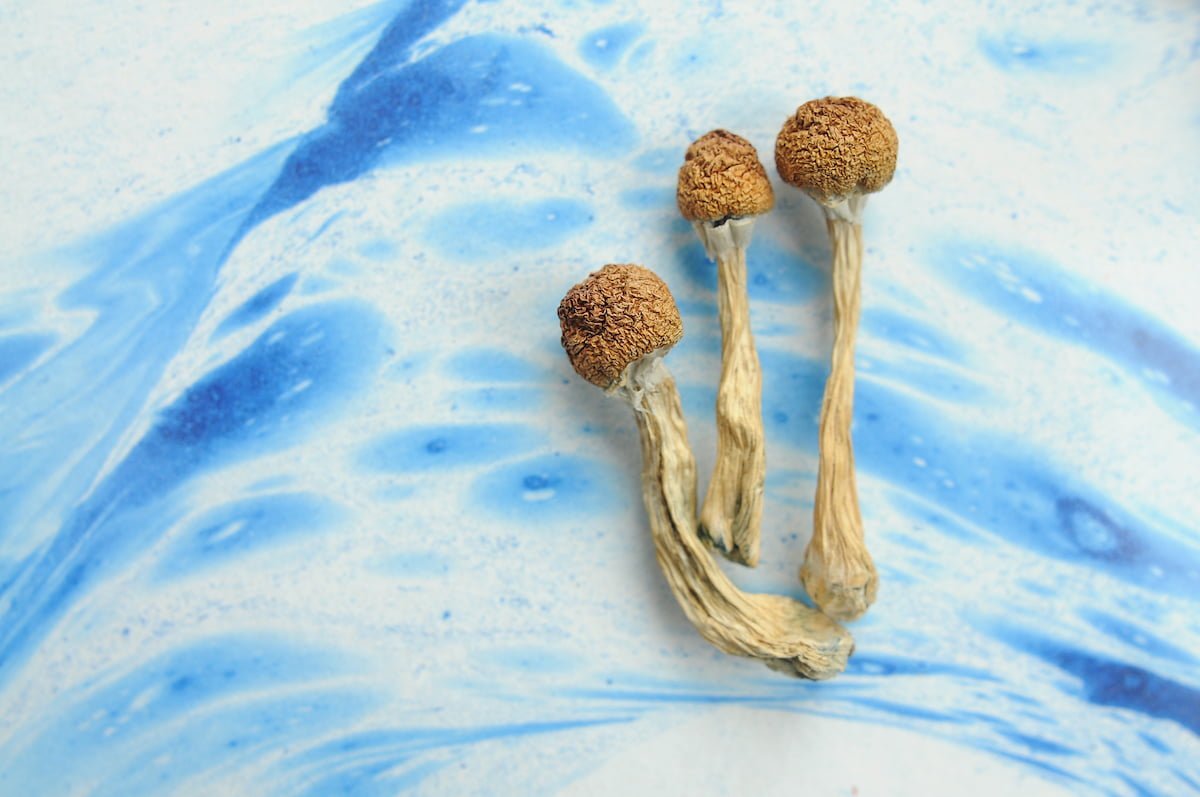
Germany has recently taken a landmark step by introducing compassionate access to psilocybin for patients with treatment-resistant depression (TRD), marking the first such programme in the European Union. This initiative allows eligible patients to receive psilocybin treatment outside of clinical trials under a legal framework designed for compassionate use.

Founder of Drug Science – Prof David Nutt says “It is pleasing to see such a rational development in the provision of proven therapy to people who have failed conventional treatments. I see no reason why the UK should not follow suit.

Compassionate access is a programme that permits patients with severe or life-threatening conditions—for whom standard treatments have failed and clinical trial participation is not feasible—to receive unapproved substances still in development.

In Germany, authorised by the Federal Institute for Drugs and Medical Devices (BfArM), the Central Institute of Mental Health (CIMH) in Mannheim and the OVID Clinic in Berlin are now licensed to offer psilocybin therapy to eligible patients. Led by Gerhard Gründer in collaboration with Filament Health, which will supply its psilocybin candidate, these two clinics are currently the only sites approved to provide psilocybin under this framework.

How the Programme Works

The programme emerged from years of clinical research demonstrating psilocybin’s potential for TRD, following Germany’s participation in major Phase 2 and Phase 3 studies, including the EPIsoDE trial. Approximately 20-30% of people diagnosed with depression are affected by TRD. Recognising that some patients could not access ongoing trials but faced urgent unmet medical needs, clinicians sought a pathway for legal treatment outside the traditional drug approval system. While similar psilocybin compassionate access programmes exist in Canada, Israel, and Switzerland, Germany sets itself apart by granting licensed psychiatrists the discretion to offer psilocybin on a case-by-case basis, as well as exempting approval for repeat treatments.

Eligibility & Treatment Protocol

Under the German model, patients must:

  • Have failed at least two standard antidepressant therapies.
  • Be ineligible for relevant clinical trials.

Psychiatrists at CIMH or OVID assess eligibility, oversee preparation, and supervise each dosing session. Psilocybin is administered in a controlled setting with two trained healthcare professionals, including a physician, followed by integration therapy to support psychological processing and minimise risks.

The Psilocybin-based medical product being provided is specifically Filament Health’s botanical formulation PEX010.

Crucially, the compassionate use framework operates outside the formal drug approval process and does not grant psilocybin market authorisation. Instead, it allows temporary, exceptional access under medical supervision. To improve accessibility for patients, the psilocybin itself is supplied free of charge by Filament Health, while overall treatment costs are typically covered by the patient’s health insurance. Early estimates suggest the programme can accommodate roughly 50 patients in its first year due to resource and staffing constraints, though demand is expected to be significantly higher.


Key Considerations

  • The compassionate use framework operates outside formal drug approval and does not grant psilocybin market authorisation.
  • Filament Health supplies psilocybin free of charge, while treatment costs are typically covered by health insurance.
  • Due to staffing constraints, the programme may only accommodate around 50 patients in its first year, though demand is expected to be far higher.

Implications for Psychiatry & Drug Policy

  1. Immediate Relief for TRD Patients – Provides an option for those with no alternatives while awaiting potential European Medicines Agency approval in coming years.
  2. Real-World Data Collection – Offers insights into psilocybin’s safety and efficacy in clinical settings.
  3. Foundation for Future Integration – Establishes clinical protocols, training pathways, and ethical guidelines for psychedelic therapies beyond trials.

By balancing compassionate access with strict oversight, Germany has created a model that offers hope while maintaining scientific rigour—a cautious yet significant step toward broader medical acceptance of psilocybin.


This article was written by Jody Chu and James Bunn and originally published at Drug Science UK.

Photo by Maheshkumar Painam on Unsplash.

Continue Reading

Uncategorised

Canada recommends launch of Veterans psychedelic research programme

Published

on

Canada launch Veterans psychedelic research programme

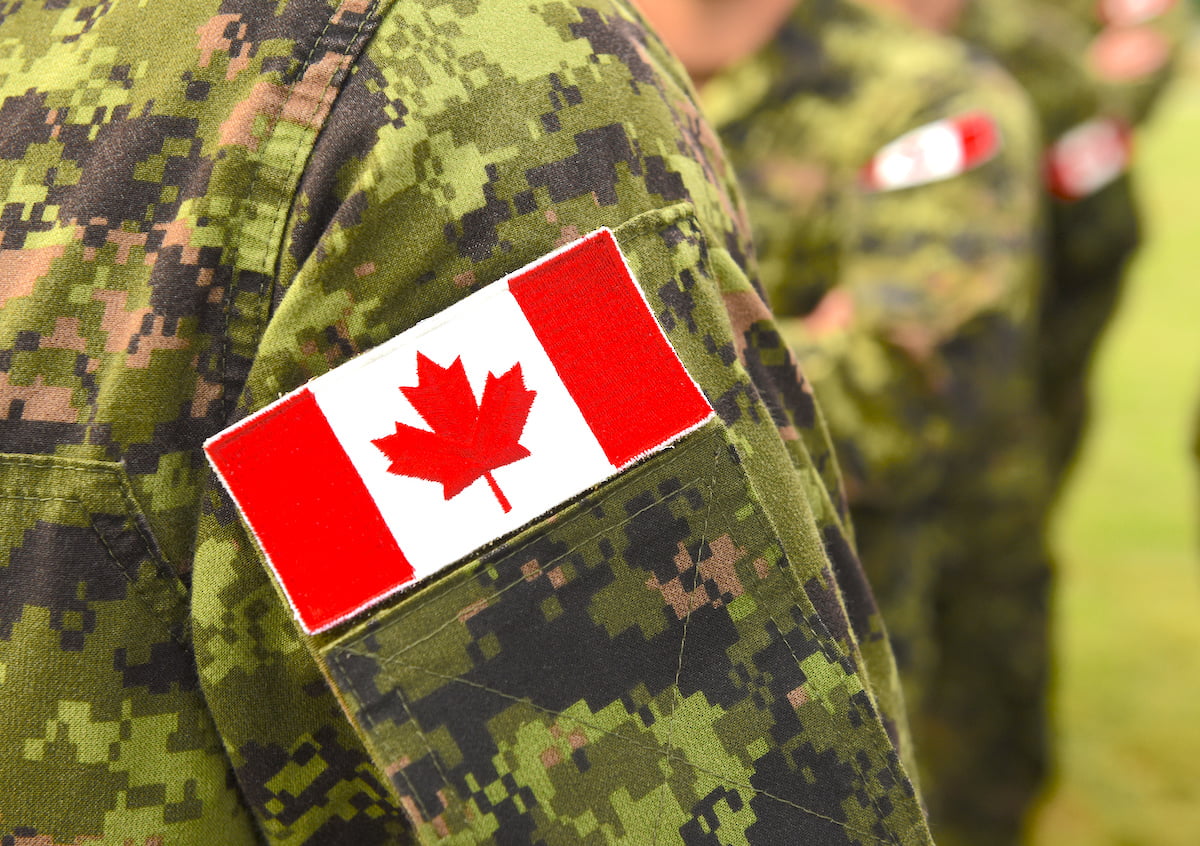
A new report has been released by Canada’s Senate Subcommittee on Veterans Affairs – ‘The Time Is Now: Granting Equitable Access to Psychedelic Assisted Therapies’ – which recommends the launch of a large-scale research programme on psychedelics for Veterans’ mental health.

Emphasising that around 10 to 15% of Canadian veterans are diagnosed with post-traumatic stress disorder (PTSD), the report explores the opportunity presented by psychedelic research as a treatment for alleviating symptoms of the condition.

The Subcommittee suggests the programme should be funded by Veterans Affairs Canada (VAC) and the Department of National Defence (DND) in partnership with Health Canada, the Canadian Institutes of Health Research, and other relevant partners.

The report states: “This approach would ensure, first of all, that those veterans most likely to benefit from it are given access to treatment with the best scientific support available, and second of all, that the initial findings on the effectiveness of this treatment for veterans are either proven or qualified.”

And goes on to say: “It is the Government of Canada’s duty to assure veterans that it is doing everything in its power, immediately, to respect its solemn commitment to support, at any cost, those who chose to defend us with honour.”

Psilocybin and MDMA have already been added to Canada’s Special Access Program (SAP) which enables authorised patients to access psilocybin and MDMA-assisted therapy for conditions such as PTSD and end-of-life anxiety. 

Studies are showing that both psilocybin-assisted therapy and MDMA-assisted therapy could be potentially efficacious treatments for alleviating symptoms of PTSD in Veterans.

However, the report notes that most clinical studies involve the general population and that Veterans often respond differently to treatments, highlighting the need for further research in the Veteran population.

The report and recommendation have been welcomed by the Psychedelic Association of Canada (PAC), which works with lawmakers, healthcare workers, educators and researchers, psychedelic practitioners, businesses and the public to gain access to psychedelic medicines for Canadians.

Jay Katz, Executive Director of the Psychedelic Association of Canada, stated: “The PAC is encouraged by the contents of the Senate Subcommittee’s report. Their acknowledgement of the potential inherent in reshaping our approach to treating mental illness is an auspicious first step. It paves the way for significantly improved outcomes.”

The organisation has highlighted that, in light of growing research, Canadian citizens have demonstrated strong support for increased access to psychedelic medicines.

To read the full report please visit: sencanada.ca/en/info-page/parl-44-1/veac-psychedelic-therapies/

Continue Reading

Trending

Psychedelic Health is a journalist-led news site. Any views expressed by interviewees or commentators do not reflect our own. We do not provide medical advice or promote the personal use of psychedelic compounds. Please seek professional medical advice if you are concerned about any of the issues raised.

Copyright © 2025 PP Intelligence Ltd.