Connect with us

Research

First take-home psilocybin clinical trial approved in North America

Apex Labs has been granted approval to carry out the trial.

Published

on

How do patients feel about MDMA-assisted therapy for PTSD?

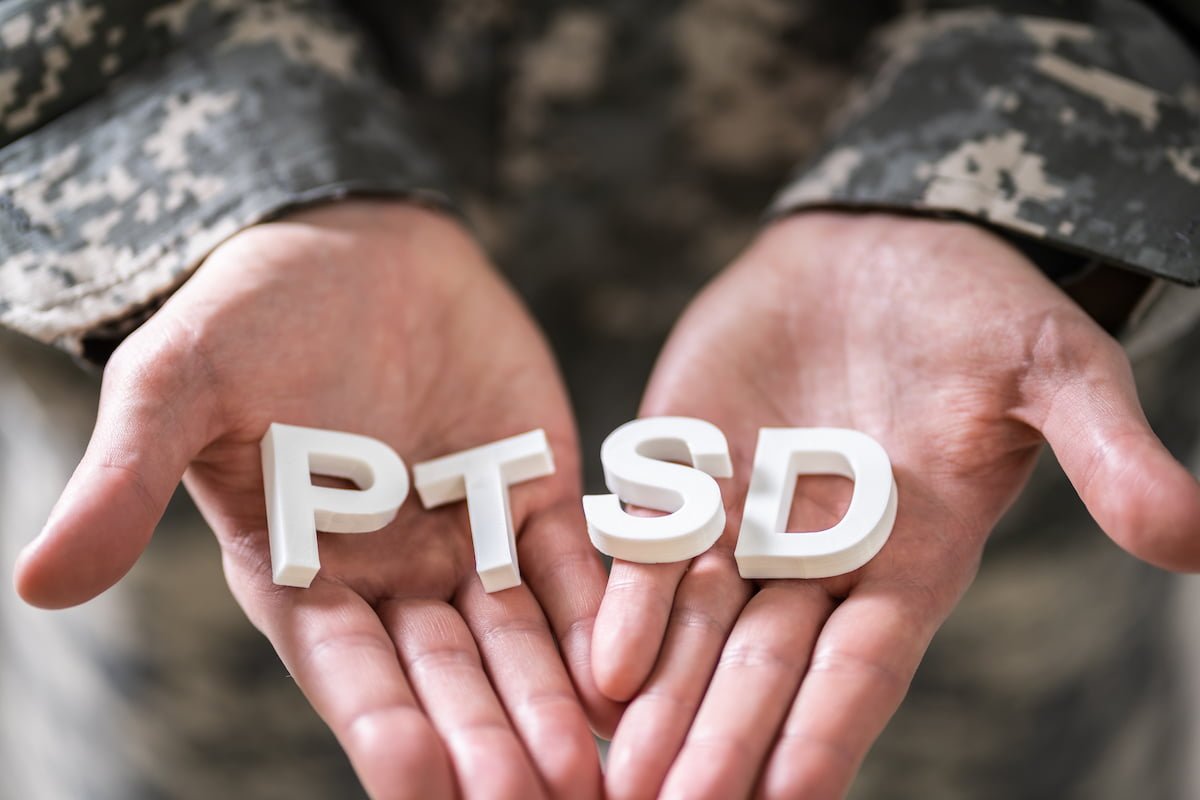
Apex Labs has been granted approval by Health Canada for the first North American take-home multi-dose psilocybin clinical trial evaluating the safety and efficacy of APEX-52 (psilocybin) in treating depression in veterans with post-traumatic stress disorder (PTSD).

Research shows that psilocybin has demonstrated clinical benefits in a variety of disorders. North American regulatory bodies are now taking necessary steps in accelerating patient access to the medicine, and psilocybin recently received breakthrough designation from the FDA for its potential treatment of depression.

Additionally, Health Canada broadened its Special Access Program (SAP) earlier in 2022 to include psilocybin and MDMA, which enables authorised patients to access the therapy.

See also  Health Canada approves manufacture and distribution of psychedelics

Apex Labs has said it is focused on improving access to such therapies for veterans as this is a population disproportionately affected by mental health conditions.

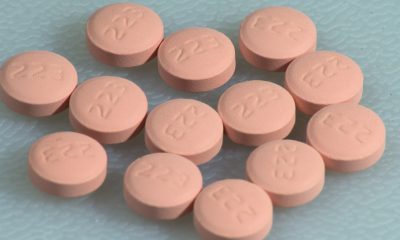
APEX-002-A01-02 is a low-dose, multi-dose, orally administered APEX-52, manufactured under Good Manufacturing Practice (GMP), and currently formulated, packaged, and labeled for self-administered patient dosing in the home.

APEX CEO, Tyler Powell, commented: “This approval signals a willingness from Health Canada to allow APEX to move forward with a clinical pipeline focused on Veteran patients with PTSD and a comorbid diagnosis of depression.

“Veterans are already self-medicating with micro-doses of unregulated psilocybin products without knowing the potency and safety of the product they are consuming.

“Our goal is to expand access to pharmaceutical grade drug products through regulated systems, providing transparency and support for patients in need.

“It is beyond satisfying to know that our team’s hard work has led to the first Canadian Veteran patient taking APEX-52 in the comfort of their own home.”

Markets & Industry

FDA Grants Breakthrough Therapy Designation to The Psychedelic Luvesilocin for Postpartum Depression

Published

on

The U.S. Food and Drug Administration (FDA) has granted breakthrough therapy designation to psychedelic drug luvesilocin, from biopharmaceutical developer Reunion Neuroscience, for the treatment of postpartum depression. 

Luvesilocin is a recently-discovered proprietary psychedelic that can produce an acute subjective experience of around 3 to 4 hours shorter than that reported for some classic psychedelics such as LSD. 

It is the ninth psychedelic to receive breakthrough therapy designation by the agency, a qualification meant to to expedite the development and review of drugs that are intended to treat a serious or life-threatening condition, when preliminary clinical evidence shows that the drug could demonstrate a substantial improvement over available therapy. 

The Trial

Postpartum depression affects a substantial portion of people who have recently given birth. Globally, the condition is estimated to occur in roughly 10 % to 20 % of postpartum women.

According to the announcement from last week, Reunion’s clinical trial achieved its primary endpoint, showing a statistically significant reduction in depression seven days after administration.¡

Participants receiving a 30mg dose showed reductions in depressive symptoms as early as Day 1 that were maintained through Day 28 of follow-up, with 70 % of those patients in remission at both Day 7 and Day 28. 

With BTD status, luvesilocin is eligible for benefits associated with the FDA’s Fast Track program and will receive enhanced guidance and engagement with senior FDA leadership.

Reunion Neuroscience has said it plans to initiate a pivotal Phase 3 trial of luvesilocin in postpartum depression in 2026. The company is also enrolling patients in a Phase 2 trial for adjustment disorder related to cancer and other medical conditions, and anticipates beginning a Phase 2 trial in generalized anxiety disorder in early 2026.

What Luvesilocin Is and How It Works

Luvesilocin belongs to a class of molecules known as substituted tryptamines. 

Tryptamines are a family of compounds derived from the amino acid tryptophan, which includes endogenous neurotransmitters like serotonin, as well as classical psychedelic agents such as psilocin and DMT. Many structurally related molecules share the same backbone and interact with serotonin receptors, producing altered perceptions and changes in mood and cognition.

Chemically, luvesilocin is a prodrug of 4-HO-DiPT, meaning the compound is metabolised in the body to release the active serotonin receptor agonist, in a similar way to how psilocybin is metabolized into psilocin, which is the active ingredient producing a psychedelic effect in humans.

The active moiety of luvesilocin, 4-HO-DiPT, itself is part of this broader class and was described in the scientific literature as early as the late 1970s. It differs slightly in structure from psilocin (the active form of psilocybin), which may influence its receptor interactions and subjective effects. 

Unlike many classic psychedelics taken orally, luvesilocin is administered via subcutaneous injection, which contributes to its more predictable and shorter duration.

Continue Reading

Markets & Industry

Psychedelics Clinical Trial Update: Positive Results from Psilocybin and DMT on the Road for FDA Approval

Published

on

Clinical updates from Compass Pathways and Helus Pharma from last week marked a significant step forward in the psychedelics development landscape, with new data emerging from late stage and mid stage programs targeting depressive disorders.

Compass reported positive results from its second Phase 3 trial of COMP360, a synthetic psilocybin therapy for treatment resistant depression, meeting the study’s primary endpoint at Week 6. The company said the 25 mg dose produced a statistically significant reduction in depressive symptoms versus a control group, with rapid onset and a safety profile consistent with earlier studies, supporting planned regulatory discussions.

Helus Pharma (formerly Cybin) reported positive results from a mid stage clinical trial of its DMT based therapy, SPL026, in people with moderate to severe depression. Participants who received the treatment showed significantly greater improvements in their symptoms than those given placebo, with effects emerging within a week and lasting for several weeks. No treatment related serious safety issues were reported.

Compass Pathways Posts Second Positive Phase 3 Result in Treatment Resistant Depression

Compass Pathways reported results from its second Phase 3 trial evaluating COMP360, a proprietary synthetic psilocybin formulation, in patients with treatment resistant depression. The study forms part of the company’s pivotal development program and follows earlier positive findings.

The company has advanced COMP360 through a development that now includes two positive Phase 3 trials in treatment resistant depression. The therapy previously received Breakthrough Therapy designation from the U.S. Food and Drug Administration and a comparable innovation pathway designation in the UK. Last month, Compass also announced an acceptance by the FDA of COMP360 for the indication of PTSD.

Recently, CEO Kabir Nath told Psychedelic Health that based on the latest stream of positive clinical results, COMP360 “could potentially be looking at a launch in early 2027,” though the psychedelics spae is still recovering from the rejection of Lykos’ MDMA application in 2024.

According to Compass, the latest trial met its primary endpoint, demonstrating a statistically significant reduction in depressive symptoms compared with control at week 6, as measured by the Montgomery Asberg Depression Rating Scale, or MADRS. Patients receiving a 25 mg dose showed a mean reduction that translated into a 3.8 point difference versus the 1 mg control group at the primary timepoint.

The antidepressant effect was observed rapidly, with separation from control evident as early as the day after administration. Treatment effects were sustained through at least six weeks. In a related Phase 3 study within the same program, a subgroup of participants maintained clinically meaningful reductions in MADRS scores through 26 weeks following one or two dosing sessions. Retreatment in eligible patients appeared to yield consistent response patterns, and no unexpected safety findings were reported across the studies.

Treatment resistant depression remains a major unmet need, defined generally as inadequate response to at least two prior antidepressant therapies. Compass has indicated that it intends to engage with the FDA to discuss next steps, including a potential rolling submission of a New Drug Application. The company has previously guided toward a possible submission timeline in late 2026, contingent on regulatory feedback and completion of required analyses.

Helus Pharma Reports Mid Stage Data Showing Rapid Symptom Improvement in Depression

In parallel, Helus Pharma, formerly known as Cybin, released detailed results from a Phase 2a randomized, placebo controlled study of SPL026, an intravenous formulation of N,N dimethyltryptamine, or DMT, in adults with moderate to severe major depressive disorder. The findings were published in the journal Nature Medicine and reflect one of the more advanced controlled studies of DMT in this indication.

The SPL026 program was previously led by the company Small Pharma, which was acquired by Cybin in 2023. Earlier this year, Cybin announced it would change its name to Helus Pharma, following a recent trend of companies in the psychedelics space rebranding to reflect a more mature subsector within biotech.

By the second week of the study, people who received SPL026 showed significantly greater improvements in their depression symptoms than those who received a placebo. On average, the difference between the two groups was clear and clinically meaningful, with an even larger gap already visible after just one week.

At Week 2, about 35 percent of participants given SPL026 experienced a marked improvement in symptoms, compared with 12 percent of those on placebo. Nearly 29 percent of treated participants saw their symptoms ease to the point of remission, versus 12 percent in the placebo group. In a follow up phase where all participants could receive the treatment, many maintained their improvements for up to three months.

The safety profile was described as manageable, with no treatment related serious adverse events reported in the study population. Acute psychedelic effects were consistent with the pharmacology of DMT and were administered in a controlled clinical setting with psychological support.

Despite the positive data, Helus has indicated that it does not plan to advance SPL026 in its current intravenous format. Instead, the company intends to use the findings to inform development of next generation short acting serotonergic agonists within its broader pipeline. Topline data from a separate Phase 2 program targeting generalized anxiety disorder are anticipated in 2026.

Together, the updates from Compass and Helus reflect continued maturation of the psychedelics field, with one company reporting confirmatory Phase 3 outcomes in treatment resistant depression and another publishing controlled mid stage data in major depressive disorder. Regulatory engagement and strategic portfolio decisions will shape the next phase of development as sponsors seek to translate controlled trial results into potential approvals and commercial pathways.

Image is an illustration made using generative AI tools.

Continue Reading

Evegreen

Can A Psychedelic Experience Reshape Your Worldview? New Study Says Yes, It Can

Published

on

A new study investigates how so-called “self-transcendent” psychedelic states can trigger enduring changes in meaning-making, values, and perceptions of reality.

A new study published in Nature explores how psychedelic experiences can lead to lasting changes in how people understand themselves, others, and the world. Rather than focusing on symptom reduction or clinical outcomes, this new research examines something more foundational: how psychedelics may shift a person’s underlying worldview.

The research team used a mixed-methods design combining quantitative scales with qualitative analysis. Ninety participants who reported having undergone a transformative psychedelic experience completed questionnaires measuring awe and perceived connectedness, alongside open-ended questions about how their perspectives had changed. Around three-quarters of participants were based in the UK, with the remainder from other English-speaking countries and Europe.

 Breaking Mental Frameworks Through Awe

Researchers have previously argued for incorporating metaphysical philosophy into psychedelic therapy to help improve therapeutic outcomes.

At the core of the new study is the concept of awe. Awe is described as an “epistemic emotion”, one that arises when existing mental frameworks are insufficient to explain an experience. Psychedelic states often evoke this response through feelings of vastness, boundlessness, and deep interconnectedness. According to the authors, such experiences can force a re-evaluation of previously held assumptions about the self and the world.

Quantitative analysis showed that two aspects of awe recalled from the psychedelic experience, perceived vastness and connectedness, were significantly associated with greater perceived overlap between the self and others long after the experience had ended. In other words, participants who recalled more intense feelings of vastness and connection during their psychedelic experience were more likely to later report feeling less psychologically separate from other people, non-human life, and the world as a whole.

The qualitative findings add further depth. Through thematic network analysis, the researchers identified three clusters of epistemic shifts commonly reported by participants. Previously, researchers have determined that a mystical and insightful psychedelic drug experience may be linked to long-term reductions in anxiety and depression symptoms.

The first involved an expanded awareness and greater openness to complexity. Many participants described becoming more comfortable with uncertainty and ambiguity, and less reliant on rigid or reductionist explanations of reality.

The second cluster related to the dissolution of boundaries, both social and natural. Participants reported weakened distinctions between self and other, human and non-human, and mind and environment. This often translated into a more holistic or systems-based way of thinking.

The third cluster centred on increased prosociality. Participants frequently described greater compassion, acceptance of difference, and concern for others and the wider ecological system. These changes were not framed as abstract beliefs, but as practical shifts in how people related to others and made everyday decisions.

The authors situate these findings within broader theories of psychedelic action, including predictive coding models, which suggest that psychedelics relax rigid top-down beliefs and allow new interpretations to emerge. From this perspective, psychedelic-induced awe may act as a catalyst for reorganising how meaning is constructed.

Importantly, the paper emphasises that such worldview shifts require integration. Without appropriate cultural, social, and psychological support, the authors note that profound experiences of “boundlessness” may be destabilising rather than beneficial.

As psychedelic research increasingly moves beyond symptom-focused outcomes, this study highlights the importance of understanding how these substances can reshape fundamental ways of knowing, with implications for mental health, social connection, and ecological awareness.

Image made using AI tools.

Continue Reading

Trending

Psychedelic Health is a journalist-led news site. Any views expressed by interviewees or commentators do not reflect our own. We do not provide medical advice or promote the personal use of psychedelic compounds. Please seek professional medical advice if you are concerned about any of the issues raised.

Copyright © 2025 PP Intelligence Ltd.