

Interviews
What do recent ketamine findings mean for depression treatment?
Psychiatrist Dr Tiago Reis Marques says that new research findings on ketamine’s mechanism of action could allow us to produce more, and eventually better antidepressants.


Psychiatrist Dr Tiago Reis Marques discusses what new research findings on ketamine mean for treatment-resistant mental conditions such as major depressive disorder.
Ketamine is currently administered intravenously in clinical settings as a fast-acting antidepressant for treatment-resistant depression. Recent findings from researchers at Karolinska Institutet in Sweden uncovered the mechanisms behind ketamine’s antidepressant effects, demonstrating that ketamine directly stimulates AMPA receptors – part of the nerve cell that receives signals – leading to the increased release of adenosine (a neurotransmitter) which inhibits presynaptic glutamate release.
The researchers said the findings are new knowledge that can explain some of the rapid effects of the medicine and suggest that the “antidepressant action of ketamine can be regulated by a feedback mechanism.”
Dr Tiago Reis Marques, psychiatrist and researcher with over 15 years of experience studying and treating psychiatric disorders, and CEO of Pasithea Therapeutics, which has ketamine clinics in the UK and Us to treat depression and post-traumatic stress disorder (PTSD), explains why these new findings provide hope for new treatment options for major depressive disorder in the future.
“It is a very interesting study because our understanding of how ketamine works from its basic action has been that ketamine works on the NMDA receptor which is a glutamatergic receptor, so, there is basically a rapid release of a neurotransmitter called glutamate.
“This is why everyone thought that ketamine is a fast-acting antidepressant, it increases the levels of glutamate in the brain. This was a bit contradictory as the literature shows that in patients with depression, there was already an increase of glutamate levels. The question now was that, if patients already have an increase in glutamate levels, how can a drug that further increases this have an antidepressant property?
“Then research progressed which showed that ketamine also works on a receptor called AMPA, which is also a glutamatergic receptor. Research shows that blockage of the AMPA receptor was fundamental for ketamine’s antidepressant properties.
“What this new study shows is that, when ketamine blocks the AMPA receptor, it actually induced an increase of substance called adenosine which is a neurotransmitter – which then binds to adenosine receptors. There’s two types of adenosine receptor – A1 and A2. In this case, when it binds to the A1 receptor it causes a reduction in glutamate levels. So, basically, ketamine can bind to two glutamatergic receptors.
“Therefore, what the study shows is that ketamine has a complex mechanism of action with region-specific changes on glutamate levels in the brain.”
Dr Marques says the animal study is well designed, but that, as it is hard to conduct this type of experiment in humans, and because of the complexity of human psychiatric disorders, the findings need to be extrapolated from the animal study.
“As the study was done in rodents – in terms of its regional actions on the brain – a rat brain is very different from the human brain, but that is something that will be further explored in future studies.
“The findings of this study will not change the way that ketamine is administered. But, they show the action through the AMPA receptor and that the A1 receptor is also involved. So, if we are trying to find future antidepressant drugs we might not look to other NMDA blockers but instead look for drugs that act on AMPA or on the downstream A1 receptor.
“By elucidating a method of action, it will allow us to produce more, and eventually better antidepressants and possibly, without the negative aspects of ketamine – such as the side effects and the potential for abuse. We are always trying to produce drugs with more efficacy and fewer side effects and we can only do that when we understand how these how drugs work, and what the mechanisms are that are involved in depression. So, the next step for this research will be to try to relate these findings into a human antidepressant effect.”
Marques highlights that the efficacy of ketamine treatment in patients with treatment-resistant depression is between 50 to 70 per cent.
“It is not a miracle drug but it is definitely a revolution in terms of having a new drug as a treatment for depression, as it has a completely different mechanism of action to other antidepressants. The study is another piece of the puzzle for what seems to be a very complex drug.”
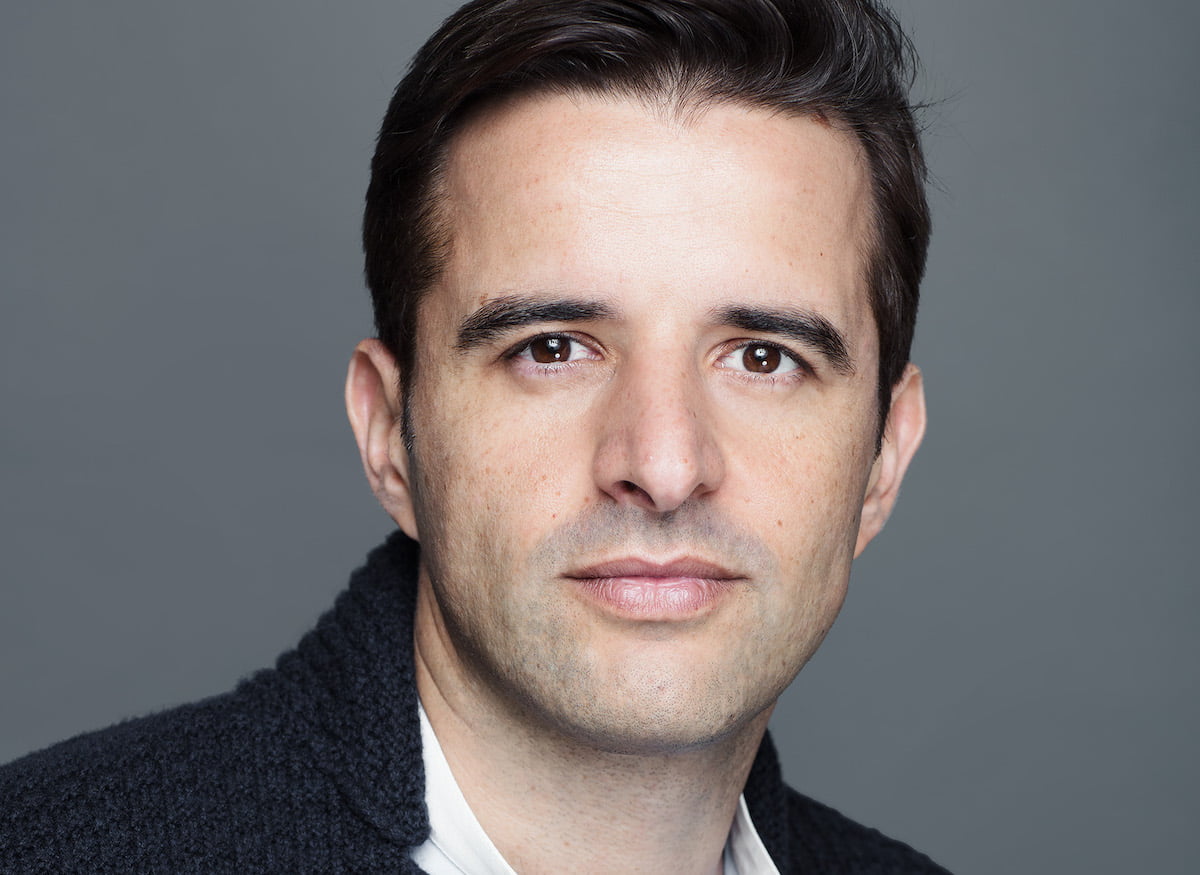
Dr Marques, CEO at Pasithea











Interviews
Psyched Wellness: Amanita muscaria for the masses
Psyched Wellness is working with the Amanita muscaria mushroom to bring a legal tincture to market.
Psyched Wellness CEO Jeff Stevens speaks to Psychedelic Health about how the company has launched the first legal Amanita muscaria extract available for sale in the United States.
The Amanita muscaria mushroom – also known as the fly agaric – is famous the world over for its striking looks. Often present in folklore and fairy tales, the iconic red and white mushroom has been consumed for centuries in traditional settings.
Amanita muscaria is mainly known for the psychoactive compounds ibotenic acid and muscimol. Deaths from Amanita muscaria are extremely rare, but it can make people very ill if not prepared properly. There is currently very little research into the mushroom, meaning the current scientific understanding of Amanita mascaria’s therapeutic benefits is limited.
Psyched Wellness is now working with the mushroom to investigate its properties on the likes of sleep, anxiety and inflammation.
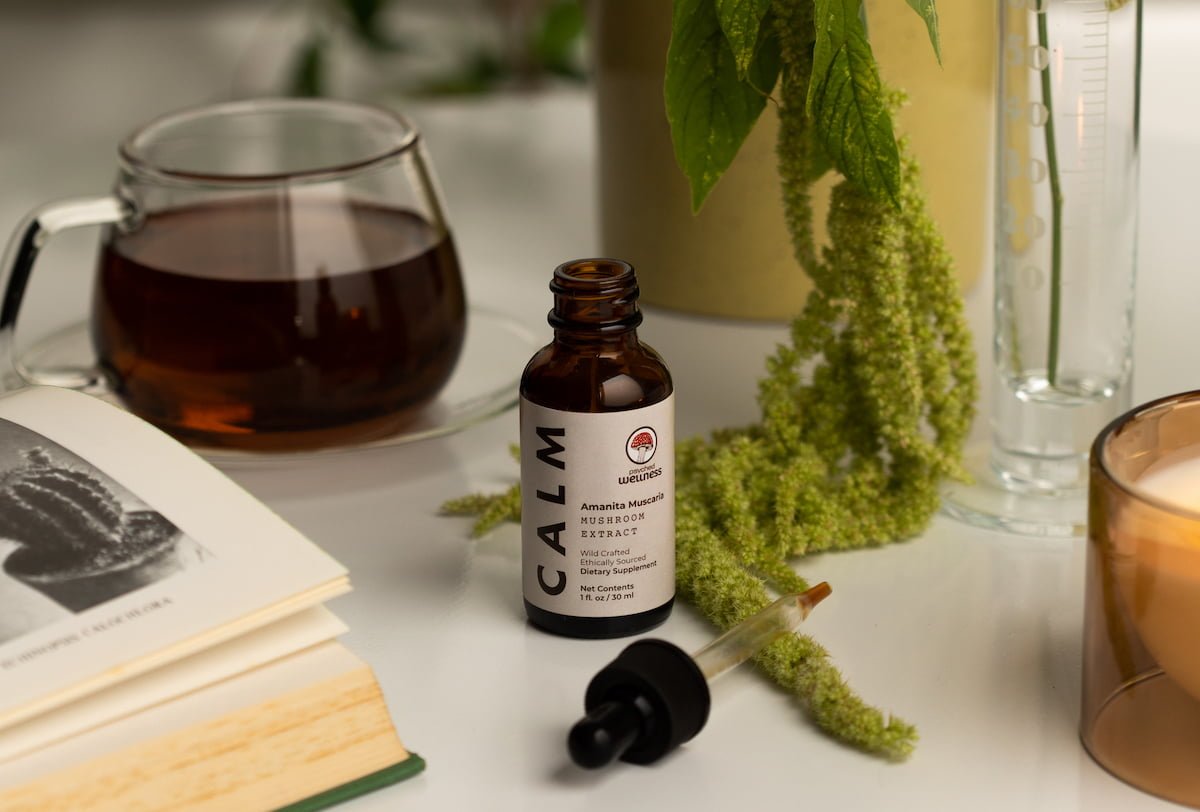
The company is one of the first to commercialise a legal Amanita muscaria extract – ‘Calm’. Primarily composed of muscimol, Psyched says the product aims to promote feelings of relaxation and calmness, without producing any psychedelic effects.
Psyched Wellness’ CEO Jeff Stevens told Psychedelic Health that the company identified Amanita muscaria as its mushroom of choice as muscimol has never been scheduled as a drug. This enables the company to work with the compound as a food supplement by obtaining a Generally Recognized As Safe (GRAS) approval from the US Food and Drug Administration (FDA).
“We have done two years of scientific studies in our preclinical trials, which included toxicology, safety studies, and a whole host of other studies, to compile all of that data to submit it to get a GRAS approval,” said Stevens.
“We compiled a dossier that was peer-reviewed and approved. So, the path we chose rather than going to clinical trials to develop a drug, was to find a way to bring some of these really exciting and special compounds to market.
“The mushroom itself is legal. But to convert that into a product for human use, and human consumption is illegal unless you do the work that we’ve done. We spent time getting the scientific data, to present that data and get approvals.
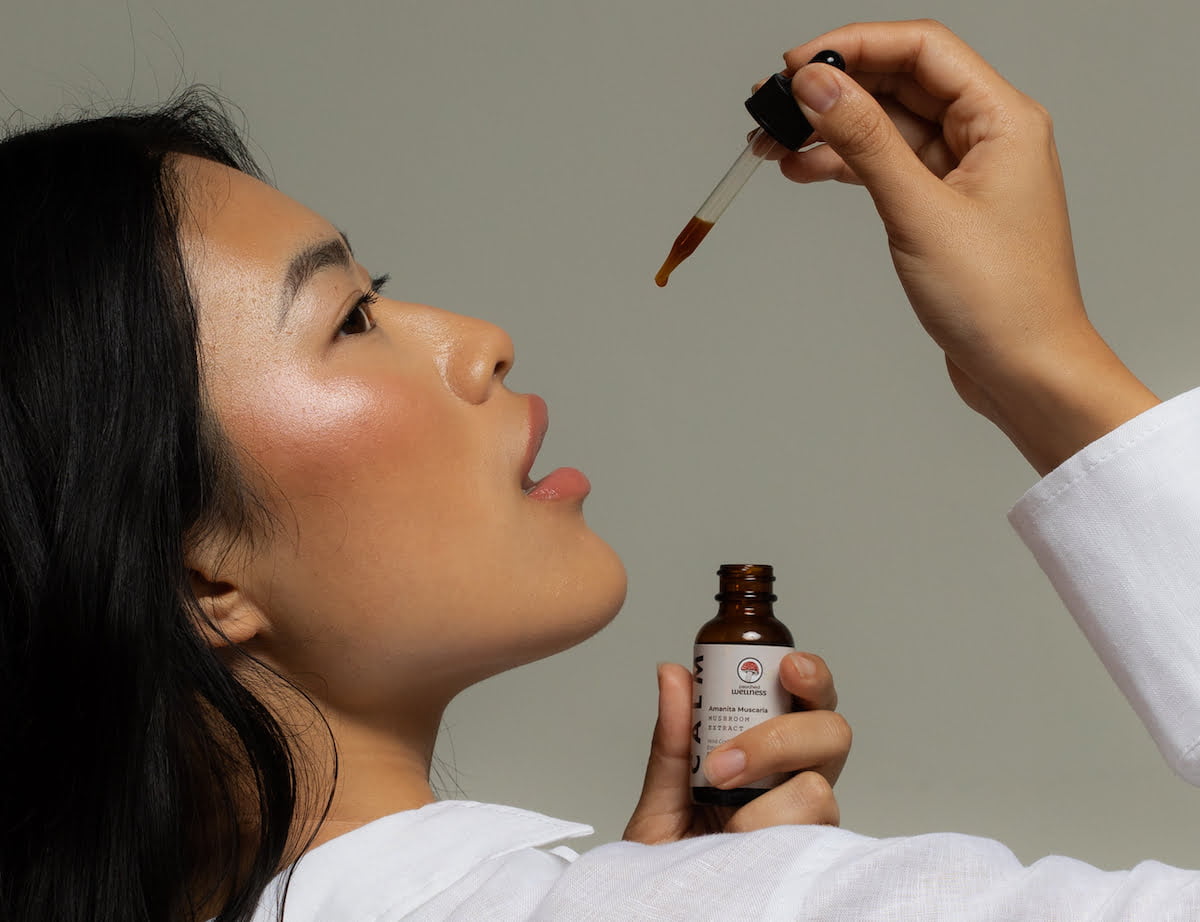
“We’re so excited about Calm coming to market. It’s our flagship product. It’s a tincture in a 30 mil bottle, and we recommend one to two milliliters per dosage that fall within our GRAS approval range. There’s room to go higher if you just so if you so desire, but it it’s designed to be microdose, so we use it to promote relaxation and restfulness.”
Human clinical trials have not yet been carried out on Calm, but Stevens says preclinical data suggests that muscimol could potentially help with the likes of pain, anxiety and sleep.
“We recognise that globally, there’s a sleep issue whether you’re aged 15, 95 or in between. We wanted to do something that we felt could help the most amount of people,” said Stevens.
“When you look at people struggling with the stresses of the world – coming out of Covid-19 and inflation and all of the things that are happening now – having something that can help you relax that you can take 30 minutes before you go to bed is beneficial.”
The wellness opportunities of psychedelics
Highlighting the changing attitudes of mainstream media towards psychedelics, Stevens says that as the psychedelic industry matures, there needs to be a recognition of the health and wellness opportunities as well as the medical opportunities that these compounds can provide.
“People – such as Prince Harry – are talking about how they’ve used psychedelics and how it’s benefited them from an anecdotal standpoint, and that’s being backed up now scientifically with results that are coming through from clinical studies,” said Stevens.
“Psyched Wellness is in a unique situation because we’re not working with a scheduled drug. We’re a food supplement.
“I really think that as we progress as an industry, we should start talking about the fact that these are actually health and wellness opportunities.”
Calm is Psyched Wellness’ flagship product and the company’s research and development team is now working to bring other methods of delivery to market. The tincture is currently sold in 40 different states through the company’s online channels, but Stevens says it intends to open brick-and-mortar stores in the future.
Psyched Wellness is also carrying out studies with the National Research Council of Canada on the anti-inflammatory qualities of AME-1 – the company’s proprietary extract of Amanita muscaria from which Calm is derived.
Interviews
Awakn: democratising access to psychedelic treatments
Awakn Life Sciences is aiming to bring life-changing addiction treatment to the US.
Awakn CEO, Anthony Tennyson, spoke to Psychedelic Health about the company’s plans to make ketamine therapy accessible to US patients.
Awakn Life Sciences is focused on researching, developing and commercialising psychedelic therapeutics to treat addiction, with a near-term focus on alcohol use disorder (AUD).
To date, the company has opened a number of clinics – including in London and Bristol, UK and in Oslo, Norway – which will be delivering ketamine therapy for alcohol addiction.
The company recently announced that it has entered into a licensing partnership agreement with Revitalist Lifestyle and Wellness, one of the largest publicly listed US-based ketamine wellness-clinic chains.
Under the agreement, Revitalist will be able to treat US patients with Awakn’s proprietary ketamine-assisted therapy for the treatment of AUD.
Current access to ketamine treatment in the US is limited for patients due to its high cost, but Awakn says its treatment can be delivered in a more cost-effective manner – ultimately leading to increased access to this life-saving treatment.
Tennyson commented: “We’re focused on addiction because, unfortunately, there’s a significant and growing demand for more effective treatments for addiction.
“In fact, there are certainly very few people who have not been directly, or by one degree of separation, affected by addiction and the current standard of care is inadequate.”
Demand for addiction treatments
According to the National Institutes of Health (NIH), 14.5 million people in the US were living with AUD in 2019. The condition accounts for nearly three million deaths annually across the globe, having a significant negative impact on economies and healthcare systems. In the US, it costs USD$249bn (~£220.38bn) a year, and costs between €125bn (~£108.78bn) a year in the EU.
There are currently more than 14,000 addiction treatment clinics in the US, however, there are still significantly high relapse rates for alcohol addiction, showing a need for new and effective treatments.
“Despite the magnitude of the problem that alcohol use disorder causes, the current standard of care is pretty poor,” commented Tennyson. “On average, there is a 25 per cent abstinence ratio and a 75 per cent relapse rate within the current standard of care within the first 12 months post-treatment.
“So the result is that, on average, only 10 per cent of people who have alcohol use disorder seek treatment and of those 10 per cent are on a revolving door of repeated treatments. This means that there’s ongoing suffering of individuals, families and communities because current treatments don’t work.”
Awakn’s ketamine treatment was developed and validated in a Phase 2 a/b trial, which was funded 100 per cent by the UK state. Results from the trial demonstrated 86 per cent abstinence six-month post-treatment versus 2 per cent pre-trial.
“That compares against 25 per cent in the current standard of care,” said Tennyson. “If you think about what that means, the impact that would have on liver function on other diseases, the disease burden that goes with alcohol use disorder, it is a significant improvement potentially against the current standard of care.
“So, I think what that provides is hope for individuals, families and communities for whom the current treatments are not effective.”
Democratising access to ketamine therapy
There is currently a limited supply of experienced therapists that are able to deliver ketamine therapies, meaning it can be an expensive treatment option for patients. To tackle this challenge, through its agreement with Revitalist, Awakn will be training staff in delivering its therapy.
“We are empowering other people to deliver more effective treatments for alcohol addiction in their clinics,” said Tennyson.
“We believe we can take someone who’s got an advanced degree in psychotherapy or therapy, and one year of experience in cognitive behavioural therapy, and train them up typically in 60 to 70 hours to then be ready to start delivering this therapy,” Tennyson said.
“So, we think we’re able to solve the problem of having a limited supply of experienced therapists – we can enable clinic operators to deliver a service at a lower price point, or a higher margin, than they currently do.
“In our clinics, we already provide the services at a lower price point than our peers in other private clinics, and we are aiming for a reasonably affordable price point in our licensing business in the US.”
Awakn’s ketamine therapy, in combination with a treatment programme, is also designed to be delivered in an outpatient context, as opposed to inpatient, further reducing costs. The programme utilises manualised psychotherapy which, Tennyson says, can be delivered by relatively inexperienced therapists.

However, despite working on lower price points and increasing clinicians that can deliver the therapy, there still remains a major challenge to fully democratise access to the treatment, Tennyson says.
“One challenge is the current regulatory status,” Tennyson commented. “That has prevented people really being able to conduct research and development. Because of the regulatory status of psychedelics – they are currently not available. Ketamine is off-label, and other compounds that are currently being used are being done on the grey markets.
“This means it has to be paid for other people’s disposable income. Once that gets addressed, then these medicines will be on-label and the insurance markets and the public healthcare systems can start to get behind them.
“That will enable companies like us to make these kinds of new services available to the vast majority of people for whom they’re currently not available. They are only available for the top 5 per cent of the population that have the money to pay for it – which isn’t optimal – and this is what drives us every day.”
As well as its agreement with Reviltalist, Awakn has teamed up with a second partner in Canada, Wellbeings Pain, which will enable the clinic to treat its patients with Awakn’s therapy for AUD as a co-morbidity for pain, to help increase access to the treatment for Canadian patients.

Awakn CEO Anthony Tennyson
Insight
The journey behind Heroic Hearts: psychedelic healing for military veterans
In part one of two, Heroic Hearts UK CEO discusses the journey to the organisation’s inception.

-
 Opinion2 years ago
Clerkenwell Health is launching a free UK psychedelic therapist training programme
-
 Insight3 years ago
Mixing psychedelics with lithium poses significant risk of seizures
-

 Medicinal2 years ago
MDMA therapy for PTSD granted innovation passport by UK
-

 Research2 years ago
LSD trial for the treatment of adult ADHD initiated
-

 Medicinal2 years ago
MDMA: the love drug?
-

 Markets & Industry1 year ago
Where can I find training for psychedelic therapy?
-

 News3 years ago
Awakn’s second psychedelic therapy clinic to open in London
-

 Medicinal2 years ago
New compound could make microdosing “heart-safe”